Grace Elliott | Associate Broker | Sotheby's International Realty Santa Fe | graceelliottsantafe.com
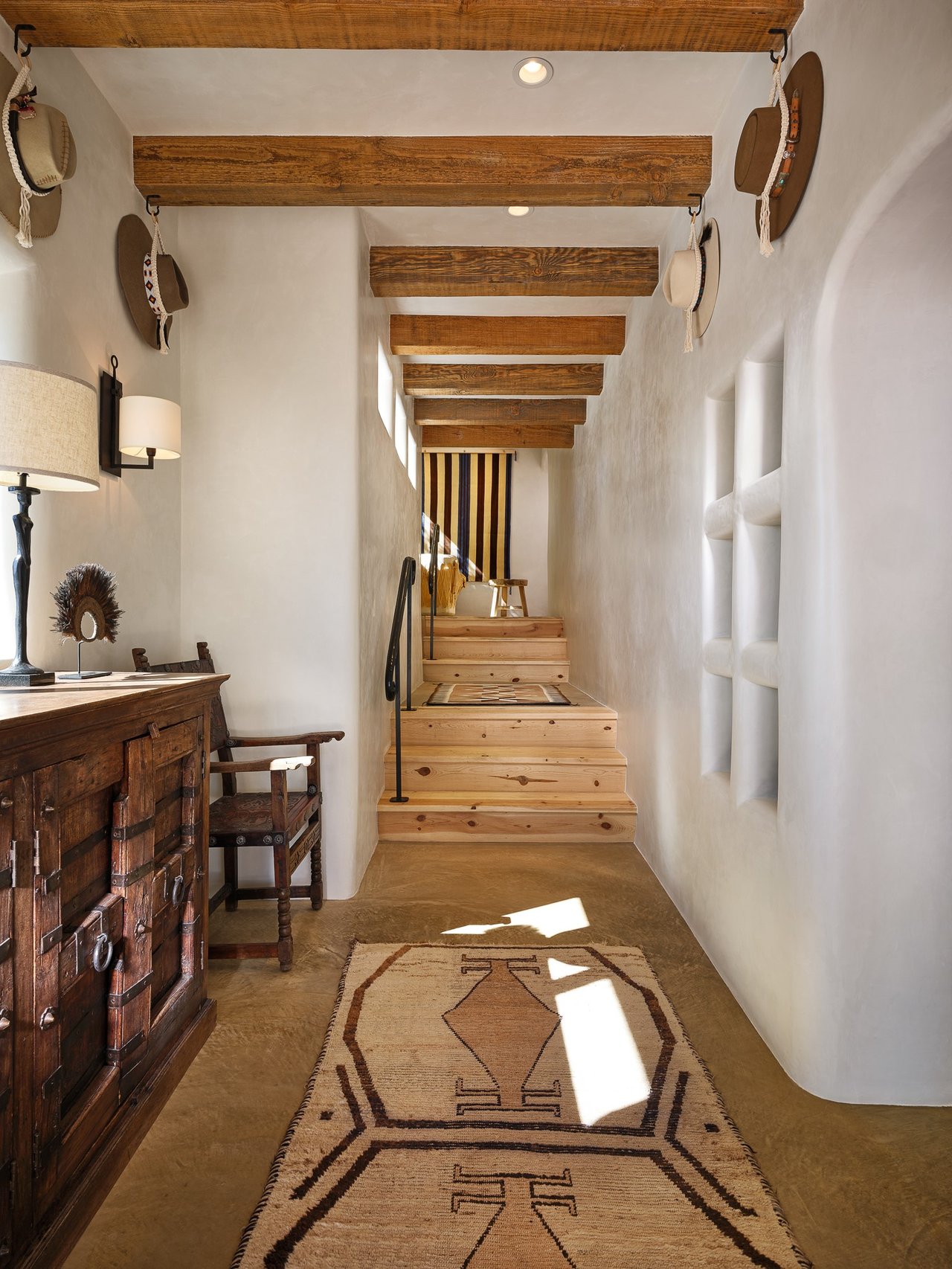
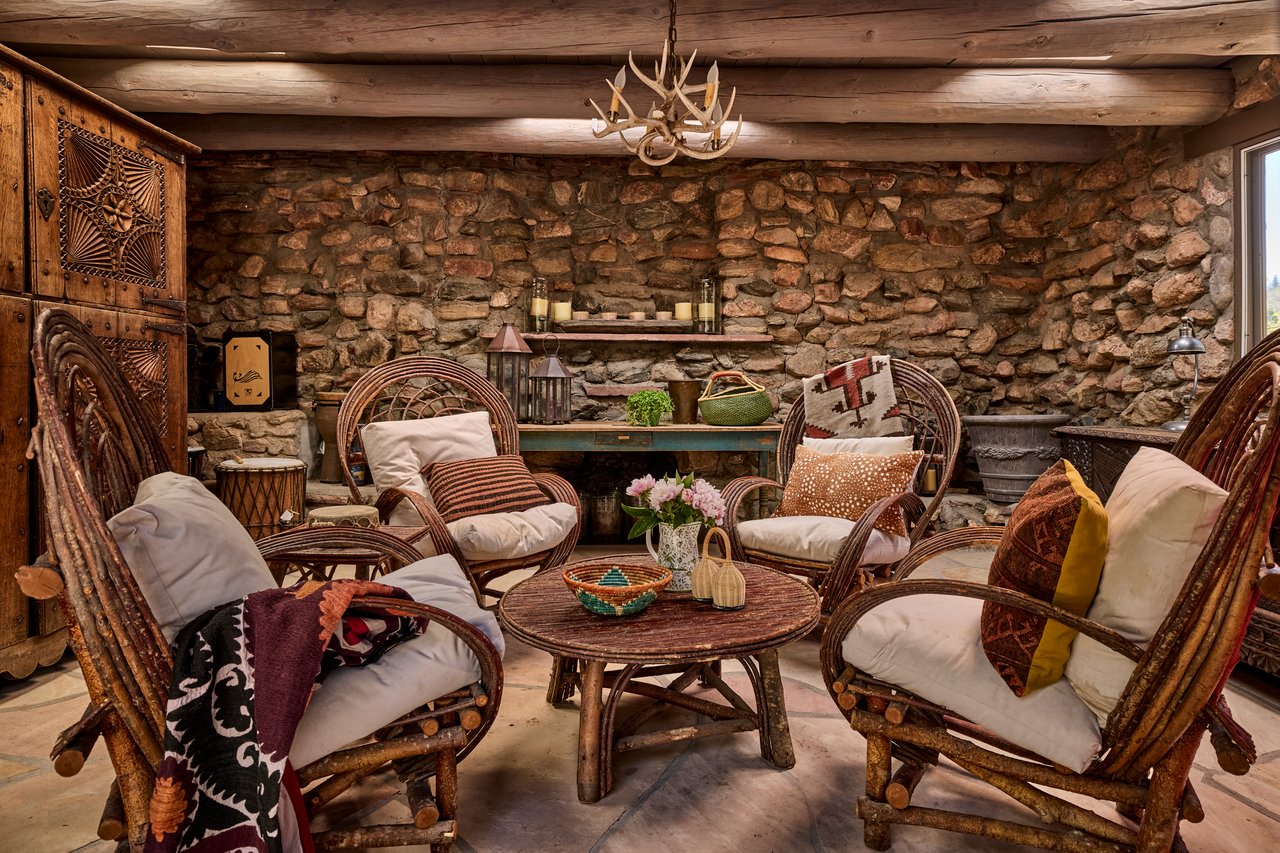
There is an undeniable, magnetic magic to living in an authentic Santa Fe adobe home. From the deep thermal comfort of thick mud-brick walls that keep interiors cool in summer and cozy in winter, to hand-plastered curved interior walls and time-worn overhead vigas, these properties offer a profound connection to Southwestern history that modern construction simply cannot replicate. However, owning an architectural treasure comes with distinct stewardship responsibilities that buyers moving from other regions should understand.
Unlike standard stick-built homes with conventional siding and pitched roofs, traditional adobe and Pueblo-style structures require a proactive, seasonal approach to maintenance. Understanding these physical nuances before you buy ensures that your historic or architectural gem remains a joy to own for decades to come.
Stucco as a Protective Shield
Exterior stucco—whether traditional mud plaster or modern synthetic finish—acts as the primary protective skin for an adobe wall. Because adobe bricks are made of earth, keeping moisture out is paramount. Small hairline cracks, particularly around window and door frames where settling naturally occurs, must be monitored and sealed promptly. Routine maintenance of your stucco prevents minor weather exposure from turning into structural moisture damage.
Managing Flat Roofs and Canales
Many classic adobe and Territorial-style homes feature flat or low-slope roofs, which manage precipitation very differently than sloped shingled roofs. Flat roofs require specialized waterproof membranes, regular inspections, and careful oversight during seasonal weather shifts. Furthermore, canales—the traditional wooden or metal scuppers protruding through parapet walls—play a vital role in directing rainwater safely away from the building's base. Keeping canales clear of autumn leaves and debris is one of the most important routine chores for an adobe homeowner.
Site Drainage and Grading
Beyond roof runoff, overall site grading is crucial. During Santa Fe’s summer monsoon season, torrential downpours can test a property's drainage layout. Proper sloping ensures that water flows away from the foundation rather than pooling against the exterior walls. Evaluating site drainage during your inspection period is just as important as checking the electrical or plumbing systems.
Interior Finishes and Structural Wood
Inside the home, traditional mud or lime plaster finishes provide unmatched tactile beauty, but they require specialized repair techniques rather than standard drywall patching. Similarly, structural elements like exposed ceiling vigas and corbels should be inspected regularly for signs of moisture stress or wood-boring insects. Working with local contractors who specialize in historic and traditional materials makes all the difference when undertaking maintenance or minor updates.
Embracing the Stewardship
Owning an adobe home is more than a real estate transaction; it is an active participation in Santa Fe's architectural heritage. With realistic expectations, proactive seasonal care, and the guidance of inspectors experienced specifically in Southwestern construction, maintaining an adobe home becomes a rewarding routine rather than an overwhelming burden.
Considering an adobe property and want guidance on what to expect after closing?
I’m here to help you connect with the right local inspectors and restoration experts.
505.670.0562 | graceelliottsantafe.com | Sotheby's International Realty
Grace Elliott | Associate Broker | Sotheby's International Realty | 326 Grant Ave, Santa Fe, NM 87501